
Resilience as a skill, not a character trait

Public discourse often frames resilience as an inherent quality — something people either possess or lack. This perspective oversimplifies reality and creates unrealistic expectations, particularly during prolonged crises. In practice, resilience is not a fixed trait but a dynamic process shaped by experience, support and adaptation.
Psychologists emphasise that the ability to endure difficult circumstances does not require constant tension. On the contrary, resilience is closely linked to the capacity to reduce strain, take breaks and recover. Those who ignore personal limits may appear strong in the short term, but are more likely to experience rapid exhaustion.
Self-awareness is a central component of resilience. Recognising signs of fatigue, anxiety or emotional overload allows individuals to adjust their pace before reaching a breaking point. This awareness is not a sign of weakness, but a form of self-regulation that supports long-term functioning.
Everyday sources of stability also play a crucial role. Predictable routines, familiar activities and stable environments provide a foundation for recovery. Even in uncertain conditions, these elements help reduce the sense of chaos and maintain internal balance.
Resilience is further strengthened through relationships. Supportive interactions, the ability to speak openly without judgement and a willingness to accept help all contribute to adaptive capacity. Individual endurance, when isolated from social context, often proves insufficient.
Viewing resilience as a skill shifts the focus from the demand to “stay strong” to a more constructive question: what conditions allow people to remain functional over time? This approach offers a more realistic and humane understanding of resilience in challenging circumstances.
Resilience as a skill, not a character trait


Read other articles of the fund

International Women’s Day: appreciation and recognition
International Women’s Day, celebrated on 8 March, is an opportunity to recognise the contributions women make to families, communities and society as a whole.
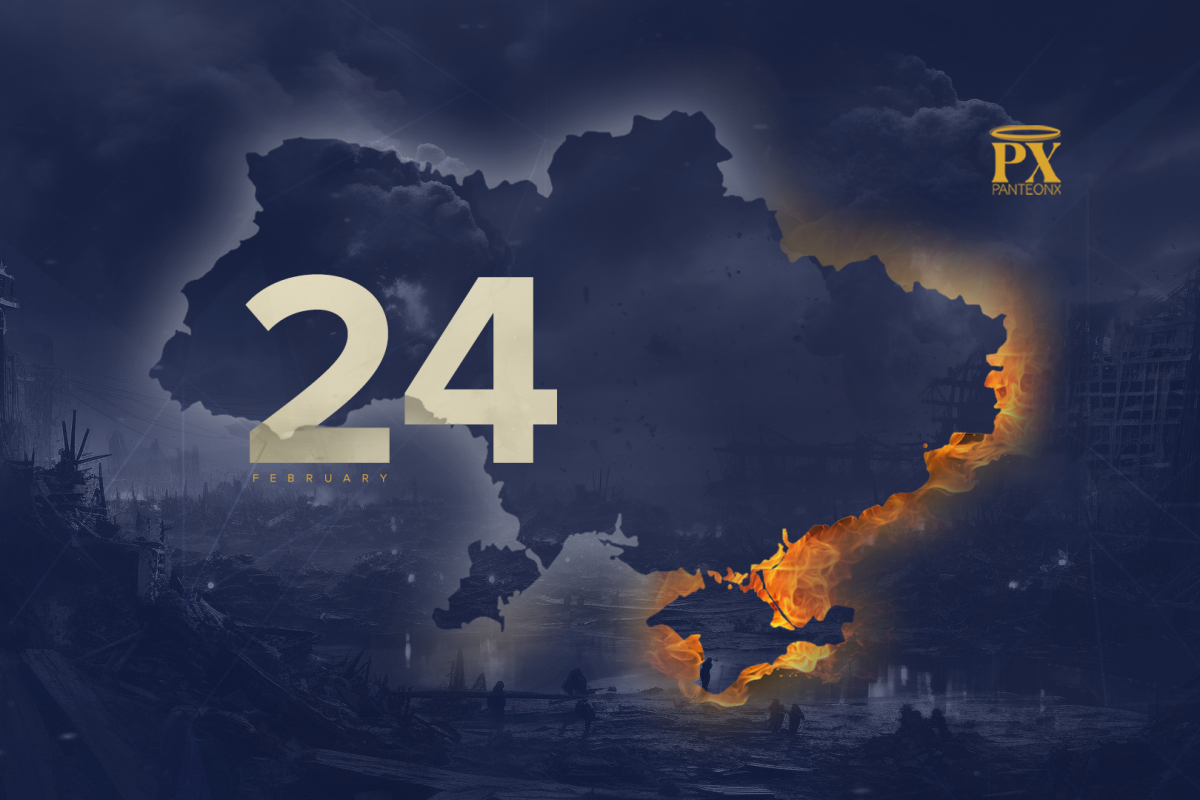
24 February: Four Years of Full-Scale War — Memory, Responsibility and Long-Term Support
The date is etched not only in national history but in the personal memory of millions. It represents the rupture of ordinary life — displacement, loss, uncertainty — and, for many, a renewed sense of responsibility towards family, community and country.

Overburdened by responsibility: why people break under pressure, not weakness
Prolonged crises generate a particular form of pressure — responsibility without clear limits. It is reinforced by expectations to “hold on”, “stay strong” and “support others” at all costs.